This is the physical
objects of a computer that a person can touch. These include keyboards, mouse, printer, monitor
and disk drives.
A computer would not
work if there was no hardware for the software to run on. For instance how
would you input data into a computer if there is no keyboard or mouse?
Also remember that if
you get confused with hardware and software. Hardware is hard i.e. physical you
can touch it.
Can I see pictures of
hardware?
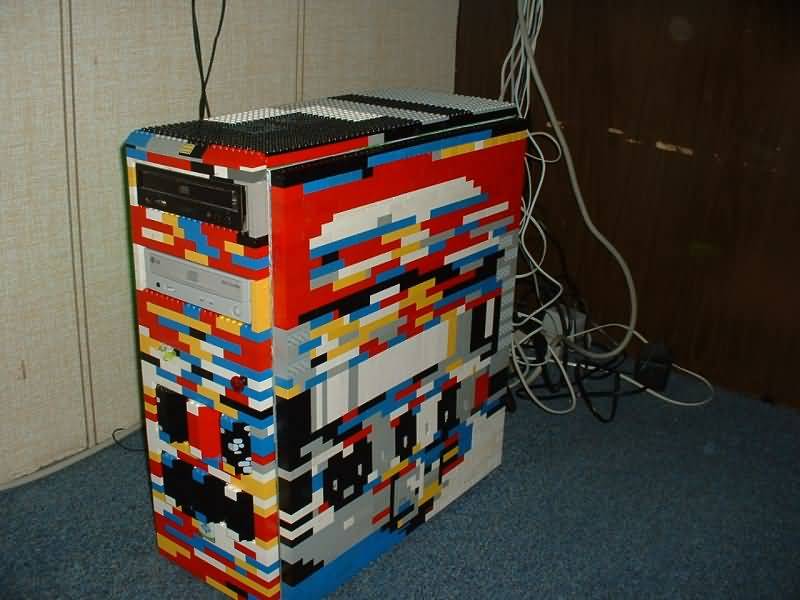
Of course check out this picture
Click on these videos to learn more about computer hardware:
This is the set of instructions
or code that tells the hardware how to work or operate. For instance if you
click on a programme such as Microsoft Word the software will be executed and
it will display the programme on the monitor.
Software is not
physical and cannot be touched.
Hmm can I see any
visual of software?
Yes check out this
picture to see different types of software.
Click on this link to learn more about computer software:
A Capital Budget
is a plan that is used to determine whether or not a business should invest in
new assets such as machinery, land, new facilities or invest in research and
development ideas. This budget will have long term consequences good or bad for
the company. This means the business must try and get it right the first time
or end up damaging the firm.
An example of a capital budget
Check out this
link to learn more about developing a Capital Budget:
Check out this
video to learn more about the income statement i.e. profit and loss account, to
learn more about forecasting a profit and loss statement.
Forecasting Your Profits & Losses: The Income Statement
Cash Flow
Forecast to include variations in Cash Flow Timings
A cash flow forecast is a elimination of what cash is expected to go in and go out of the business. Usually these forecasts last for a year. It is also used to find out when loan will be needed or how when will the business repay debts.
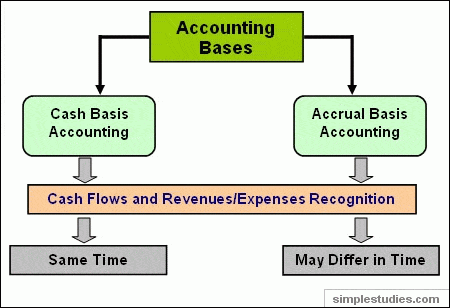
With regards to timing difference with cash flow when the business sells an item and at what time the firm receives the cash.
Check out these links to learn more about this topic:
Here is an example of how a debtors control
works. First we get the figures from the individual debtors’ accounts and then
move them to the control account.
Rooney Inc. is a small company with debtors (below). This shows how the company records their debtors in their books.
The figures put into the debtors (receivables) control account are obtained from the debtors accounts.
As you see they all
balance below. The individual accounts balance with the figures in the receivables
(debtors) accounts.
Bank Reconciliation
Working together to make it balance
A bank sends out statements of customers’ accounts at certain times of the year frequently. The balance of this statement informs them of the amount that they have in their account at the date shown.
Should the bank figure be the same as the customers own books of accounts?
They should be but they hardly balance the same as you will see why.
The reason as to why they are not the same balance is due to errors or mainly due to timing differences. With timing differences this would mean that if a customer writes a cheque the bank will not notice it for maybe a week.
Even thought the customer has acknowledged this in their books, it has not being told to the bank yet.
This is also the same from the bank side. They will add items such as interest or fees that the customer will not know of until they have the bank statement.
So then whose balance is correct, the bank or the customer?
The answer simply is none of them. Adjustments will have to make in order for the figures to balance. If there are receipts, payments or both that are mentioned in the bank statement, the customer will but these into his accounts. #
Check out this video to see an example of bank reconciliation:
Also known as a payable controls account.This is the total
amount of money that the business owes to the individual creditors. The balance
of this account must be equal to all the individual creditor accounts in the
business. These figures are obtained from the individual ledger accounts. This
is also known as the payables control account. Here is another example of a creditors control account. Here is Ronney Inc. individual creditors accounts and its Payables (creditors) control account.
As with the same with the debtors account we send the figures to the creditors control account.
The figure of 6100 is obtained from the purchases day book of the company.
Check out this video to get more insight in producing a simple creditors control account:
The general term for all the chemical processes carried out by the cells of the body is "metabolism". Chief among these processes is the oxidation/burning of food which produces energy. This process is analogous to a car engine burning petrol to produce the energy that makes it run. In most forms of combustion, be it in the car or in the human, heat is produced as well as energy.
Classical physics taught that energy can be neither created nor destroyed. Although this law of nature is not completely correct (as the conversion of matter to energy in a nuclear reactor shows), it is still true in most instances. All three macronutrients in food - carbohydrate, protein and fat provide energy. Energy for the body comes mainly from food, and in the absence of food it can be produced only by the breakdown of body tissues.
All forms of energy can be converted into heat energy. It is possible to measure the heat produced by burning a litre of petrol, for example. Food energy can also be and is expressed as heat energy. The unit of measurement used has been the large calorie (Cal) or kilocalorie (kcal) (which is 1 000 times the small calorie used in physics).
Diet & Nutrition : What Is the Energy Value of Food?
This is adding together certain
items related to the business that will have to be paid out or received after a
period of time. There are two types of accruals. Accrued expense and accrued revenue.
Accrued revenue is an asset, while an accrued expense is a liability.
Where are they put into the
accounts?
They are but into the income
statement as an expense and a balance sheet as a current liability.
Prepayments
What is a prepayment?
They are expenses that have been
paid in advance but have not received the benefits of the expense. They are
seen as a current asset.
Where are they put into the
accounts?
They are but into the income
statement as an income and a balance sheet as a current asset.
Click on this link to learn more about accruals and prepayments:
Where do you put it in the
accounts?
It is put into the income statement
as an expense and in the capital assets in the balance sheet. When deprecation
is added together year after year it is called accumulated depreciation. This
is taken away from the original value of the assets.
For instance let’s say a lorry
worth €50,000 has a ten year life. If we use straight line deprecation, deprecation
every year will be €5,000. By year 6 the accumulated balance will be €30,000.
This is what it would look like in the balance sheet.
At the start of
year 7 the asset will be only worth €20,000. This shows the true value of a 6
year old lorry.
Is there an example I can see?
Of course check out this video below:
Planning and recording adjustments for depreciation 14.5
Bad debts are debts that have not
being received from the debtor and look unlikely to be collected.
What happens if the debts are not
collected?
Debts that will not be collected
will be written off as an expense.
How do you process them in the
accounts?
Bad debts will be put into the
income statement and the balance sheet. Some companies make something called a
bad debts provision. This means that the company sets aside some funds if a
debtor does not pay its debts.
The provision is usually 1% or 2%
of the total receivables account.
Super Duper Value, is a new firm
which is a supermarket. Here are their sales on credit and cash received from
its receivables.
Year Sales
on credit Received
from Receivables
2010 500,000 300,000
The account has a balance of
200,000. A provision is created. It will be 1% of the year end figure. There
will need to be an account see up for this provision as shown below. The debit
side in the bad debts account will be put into the income statement while the
credit side will be put into the balance sheet as shown below.
The provision
for bad debts is in accordance with the concept of prudence where we provide
for all foreseeable loses. No bad debts have been written off. Super Duper
Value expects that its some of its customers will not pay.
Check out this video to learn more about
bad debts:
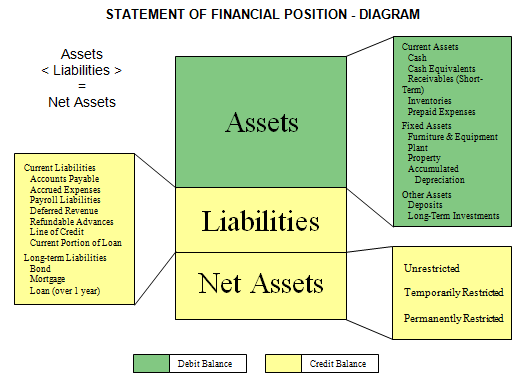
A Balance Sheet is also known as the statement of financial position. This records all the assets liabilities and ownership equity at a certain period or point in time.
What goes into a balance sheet
Here are two articles that explains why there are different layouts of financial statements of different types of business.
There is only a small difference between a sole trader and a partnership balance sheet. You will learn these difference in your study and it will come naturally to you over time. Click on the links above to see the differences.
Balance Sheet for a Sole Trader
Here is a balance sheet of a sole trader
Balance Sheet for a Partnership
A balance Sheet for a Partnership is more or less the same layout as a sole trader. However there are differences between the two types of business.
Here is a link as to what a balance sheet should look like for a partnership. Can you the difference?
In this example we see the partners have both a capital and current account in the balance sheet. The rest of the balance sheet is more or less the same as the sole trader balance sheet.